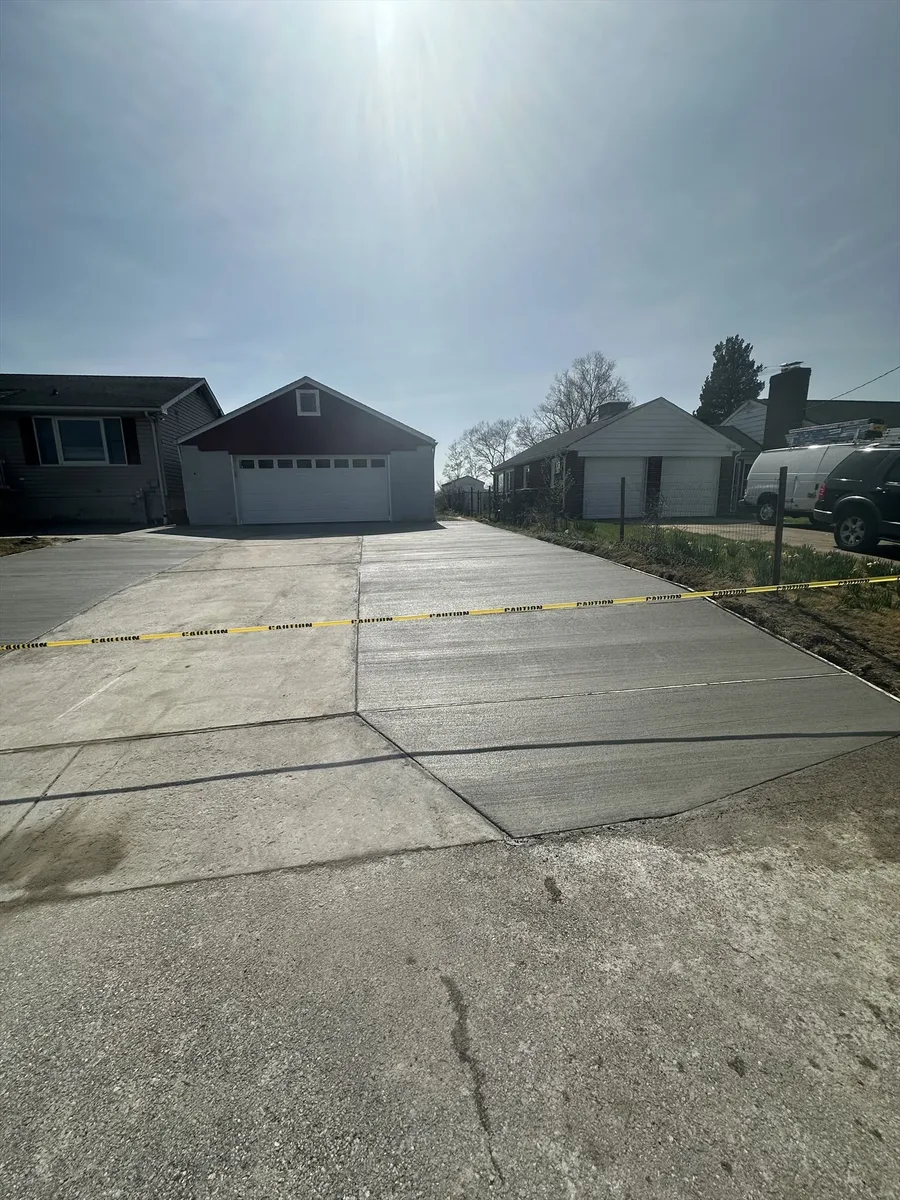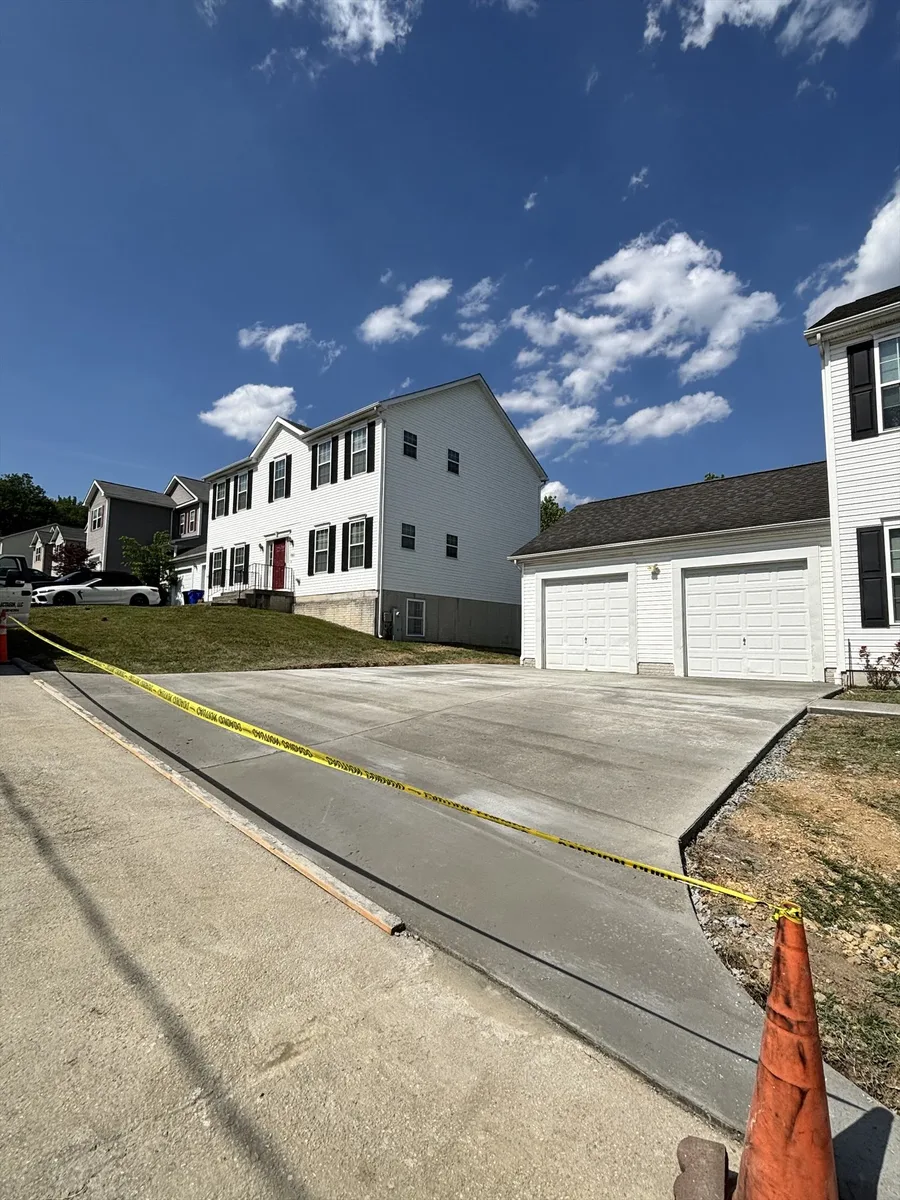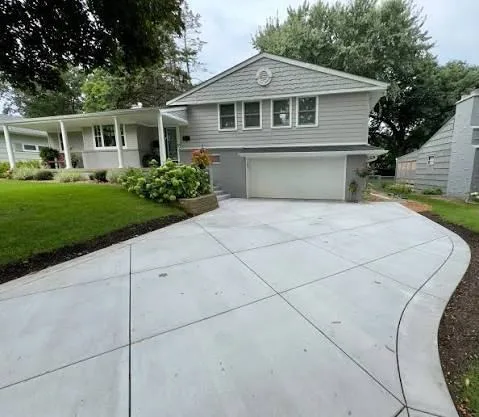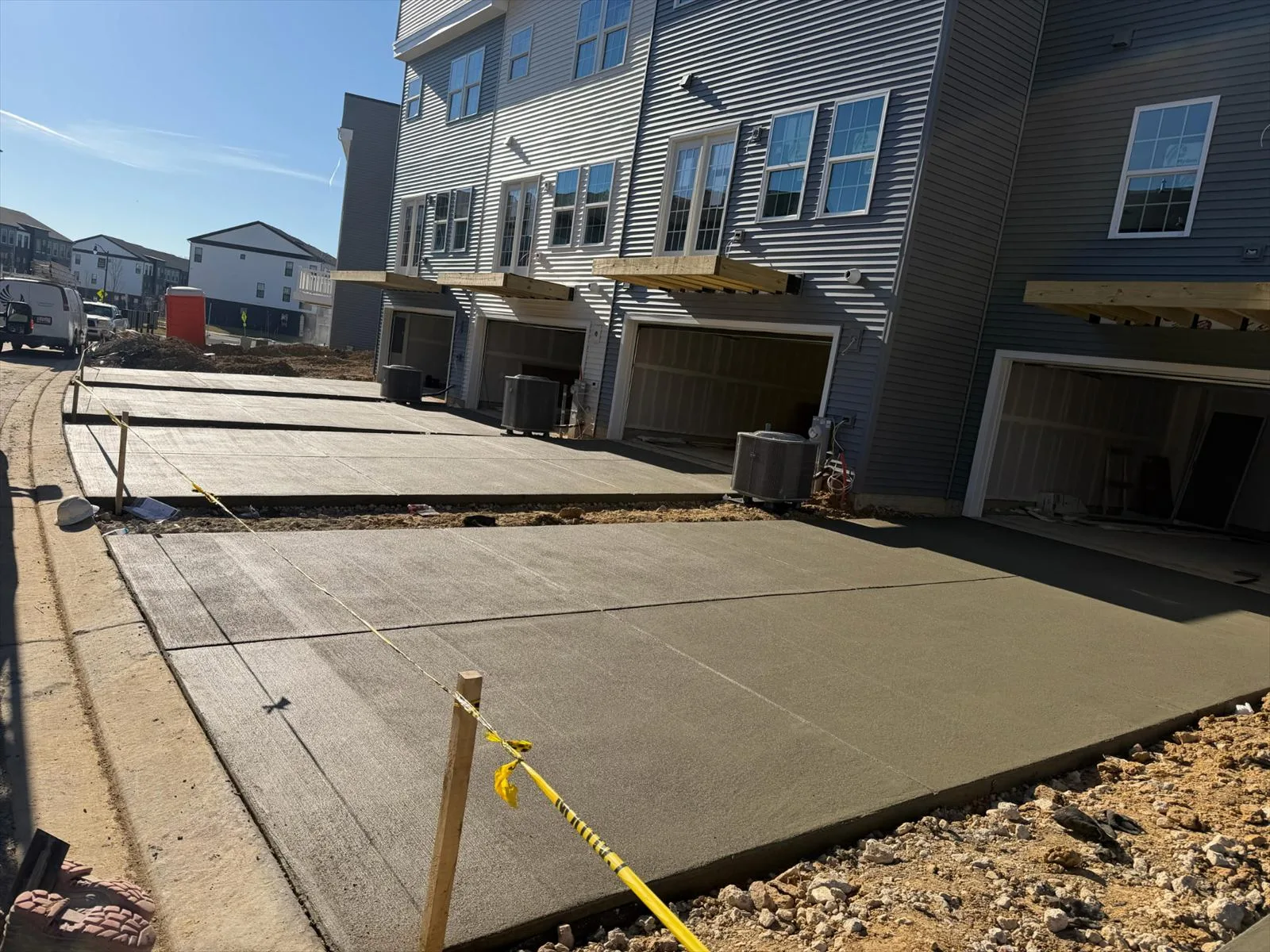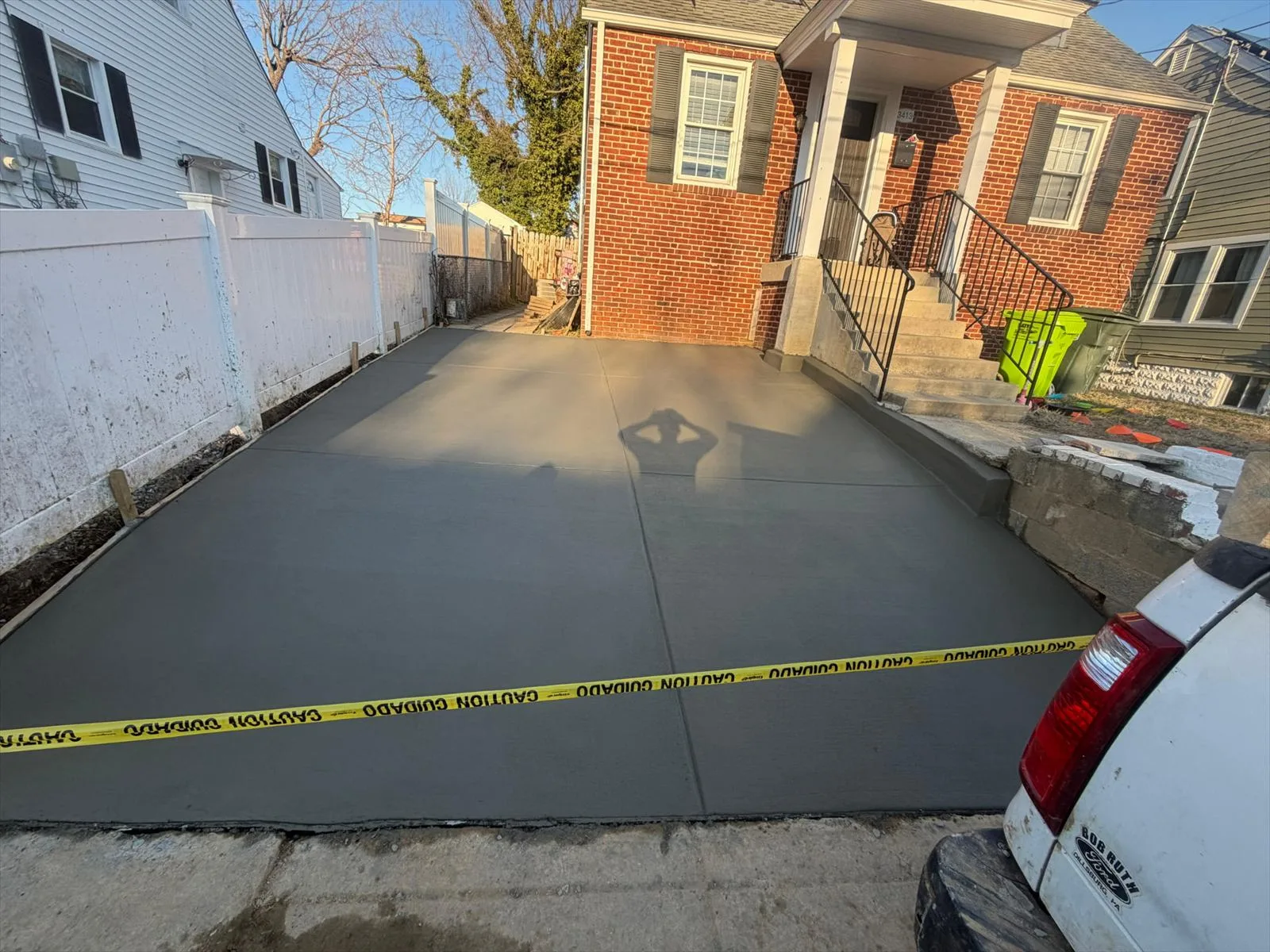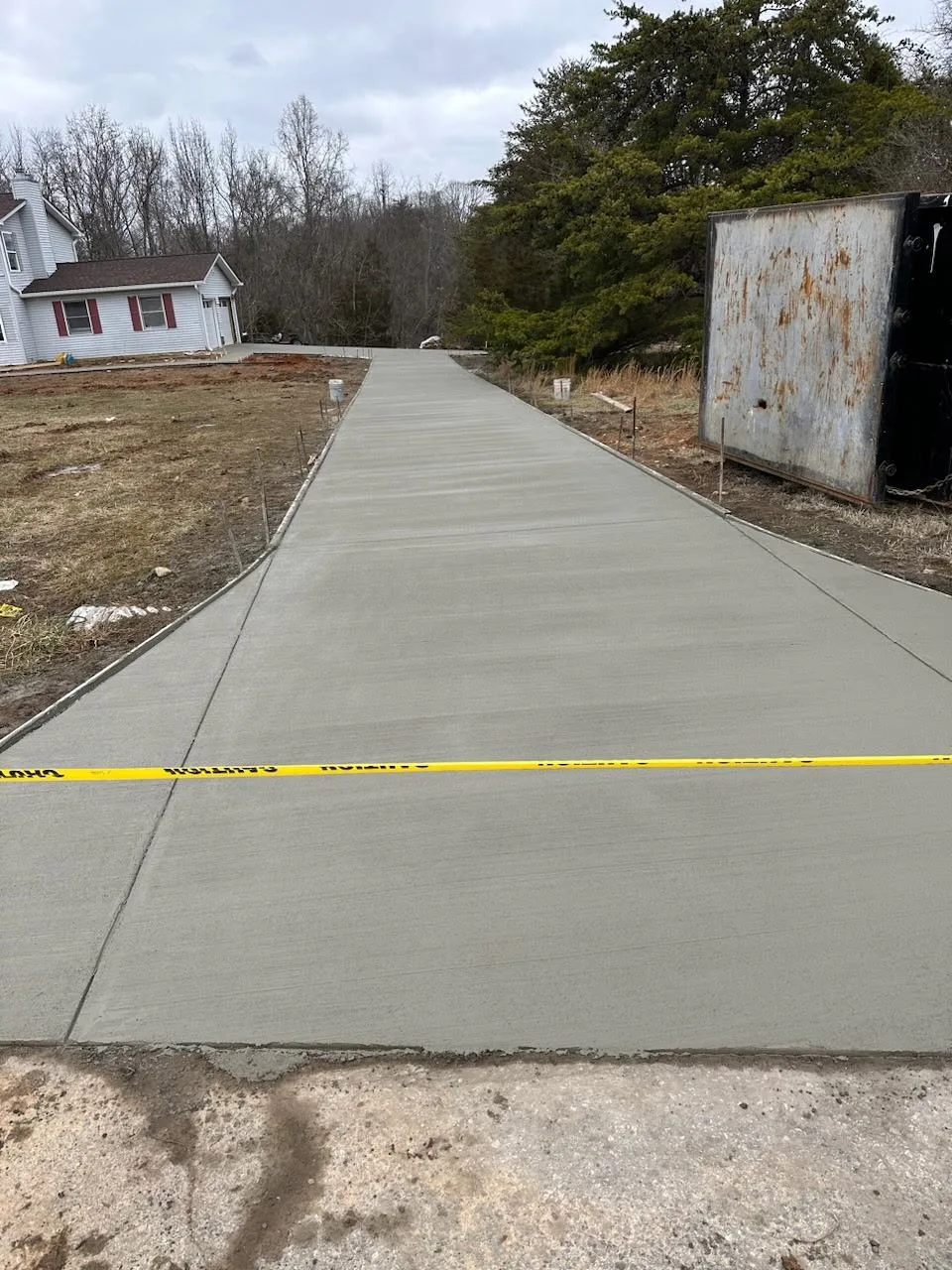
Hardscaping refers to the non-living elements of a landscape — patios, walkways, retaining walls, and driveways; Actaeon handles complete hardscape design and installation across Washington DC, Maryland, and Virginia.
Hardscaping is the skeleton of a landscape — the permanent, structural elements that define how you move through and use the space. Plants are seasonal; hardscape is forever. It should be built accordingly.
What hardscaping includes
Hardscaping covers every non-living element of a landscape: patios, walkways, driveways, retaining walls, seat walls, steps, fire pits, outdoor fireplaces, water features, masonry columns, decorative walls, and the concrete or stone work that ties the rest together. If it won't grow, it's hardscape.
How hardscape integrates with the landscape
The best hardscape doesn't feel like hardscape — it feels like it grew there. Bed lines that curve naturally from the patio into the garden. Retaining walls that step the grade without announcing themselves. Walkways sized for how people actually walk, not for minimum-code dimensions. The work happens at the boundary between the stone and the plant — that's where good hardscape distinguishes itself from competent hardscape.
Materials we work with
- Natural stone. Bluestone, flagstone, fieldstone, boulders. Each has its own installation characteristics and each fits some homes better than others.
- Concrete pavers. Belgard, Techo-Bloc, Unilock, EP Henry. Engineered for freeze-thaw, available in endless profiles.
- Clay brick. Traditional, classic, and expensive. Best in historic districts and on homes where the architecture calls for it.
- Poured and stamped concrete. Most budget-efficient for large areas.
- Segmental block. For retaining walls, especially anything over 3 feet. Engineered systems with grid reinforcement.
The details most contractors skip
- Proper sub-base depth. 6 inches minimum for walkways, 8 to 12 inches for driveways and vehicular areas. Cheap installs run 3 inches of stone over dirt and call it done.
- Compaction in lifts. Base stone compacted in 2-3 inch layers, not dumped in and rolled once.
- Geotextile separation fabric. Between soil and base stone, to prevent the two from mixing over time.
- Edge restraint. Every paver system needs it; every cheap install skips it. Without edge restraint, pavers creep outward and joints open up.
- Polymeric jointing sand. Swept into paver joints, hardens when wet, prevents ant infiltration and weed growth. The non-polymeric alternative washes out in 2 years.
- Drainage behind walls. Gravel drainage, drain tile, and positive slope away from the wall. Without it, hydrostatic pressure pushes the wall apart.