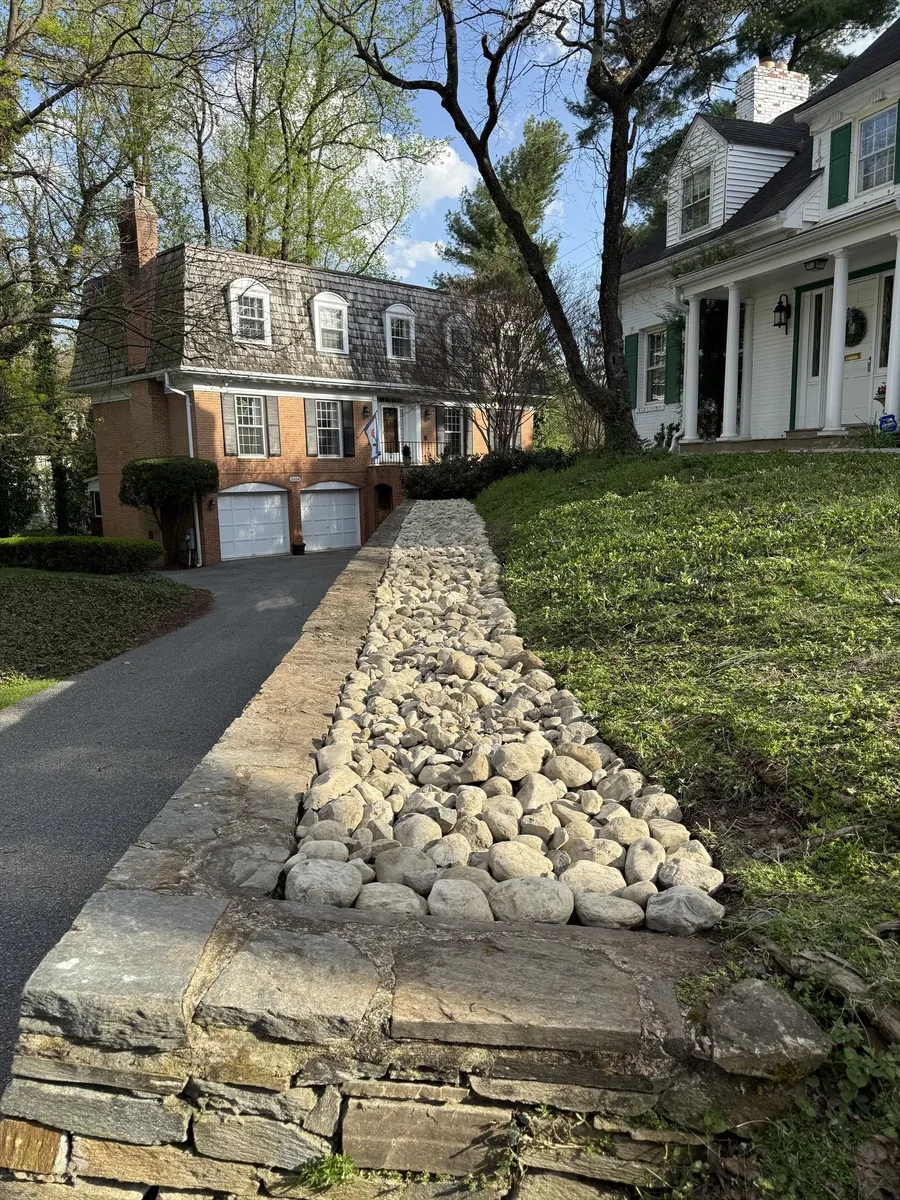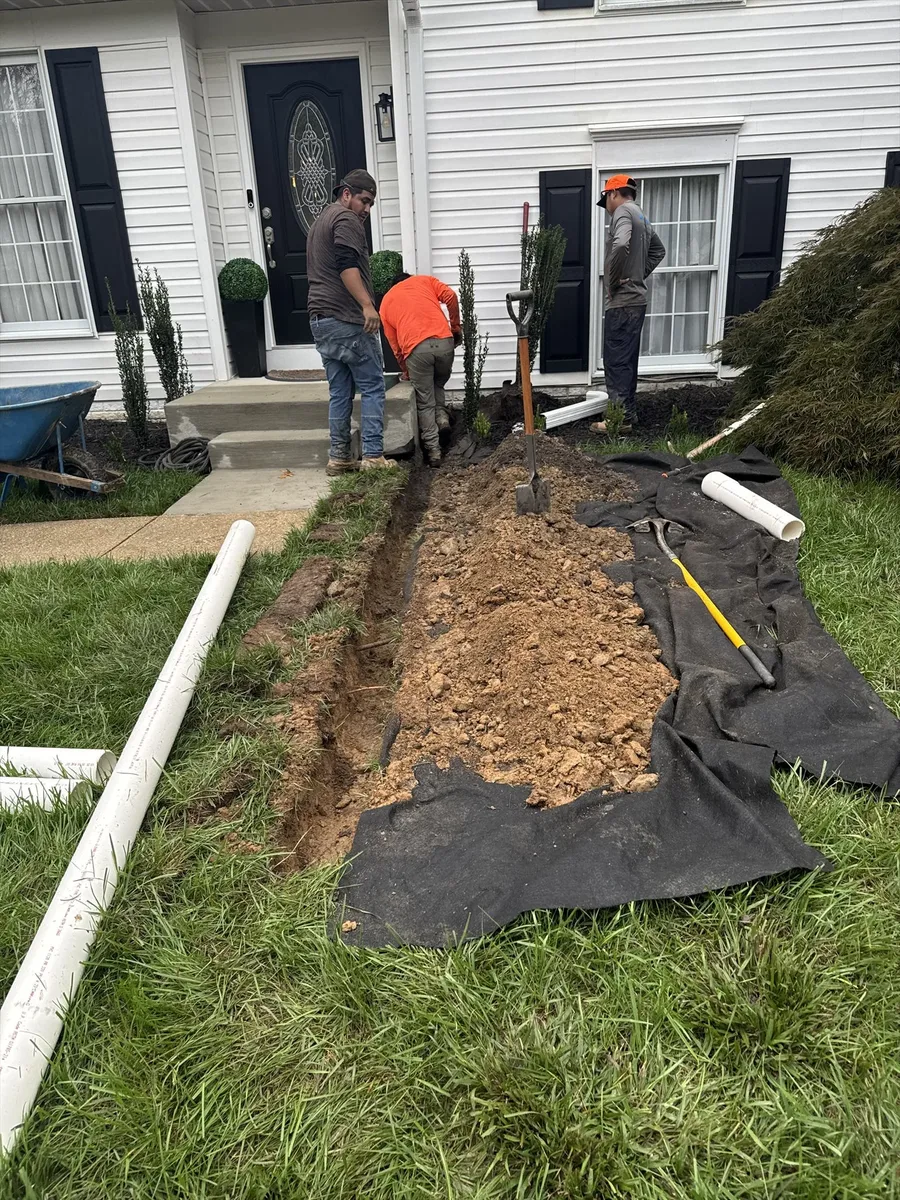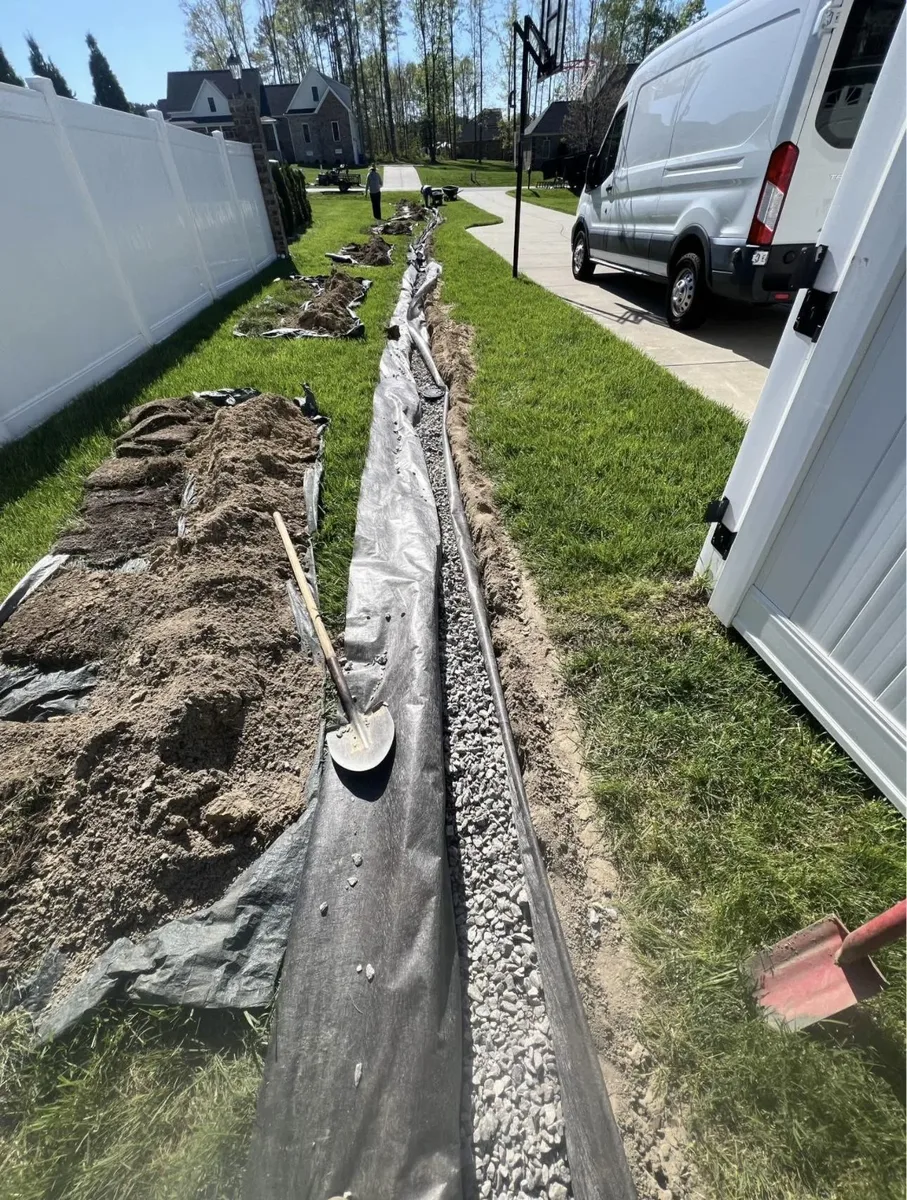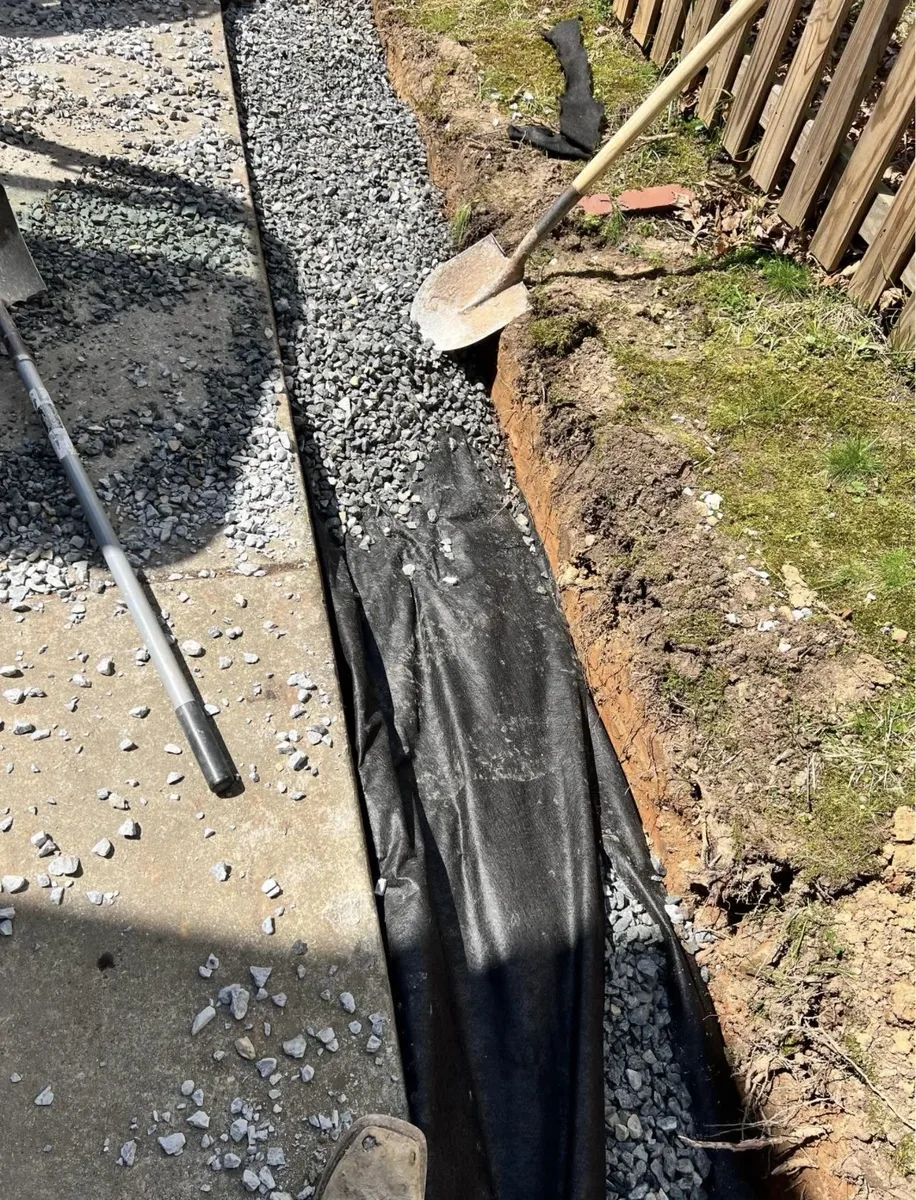
Yard drainage systems collect and redirect surface water runoff to prevent standing water, erosion, and foundation damage; Actaeon designs and installs yard drainage solutions across Washington DC, Maryland, and Virginia.
Every property has a drainage signature — a set of patterns the water follows from the moment it hits your roof or lawn to the moment it leaves your lot. Most yards in the DMV were never engineered for that flow. We fix the signature.
What yard drainage actually means
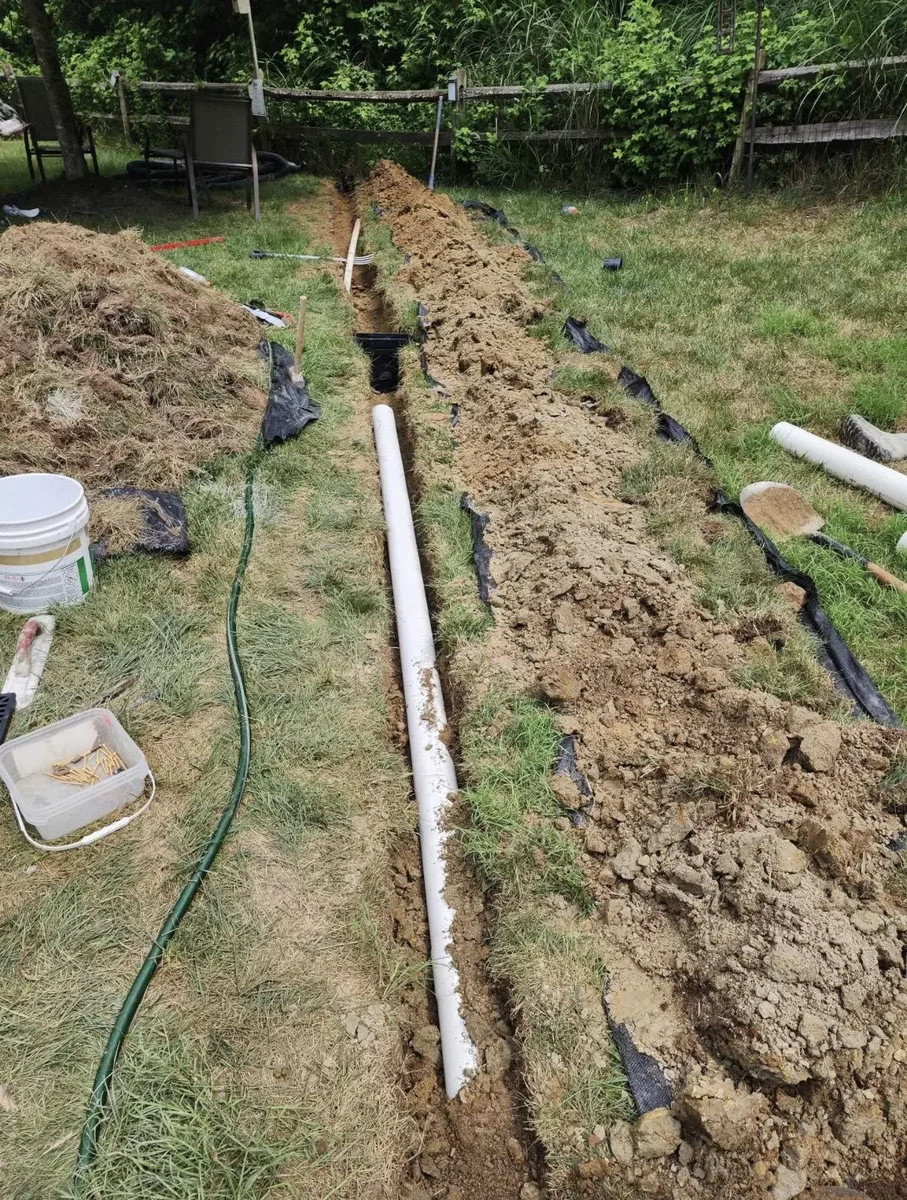
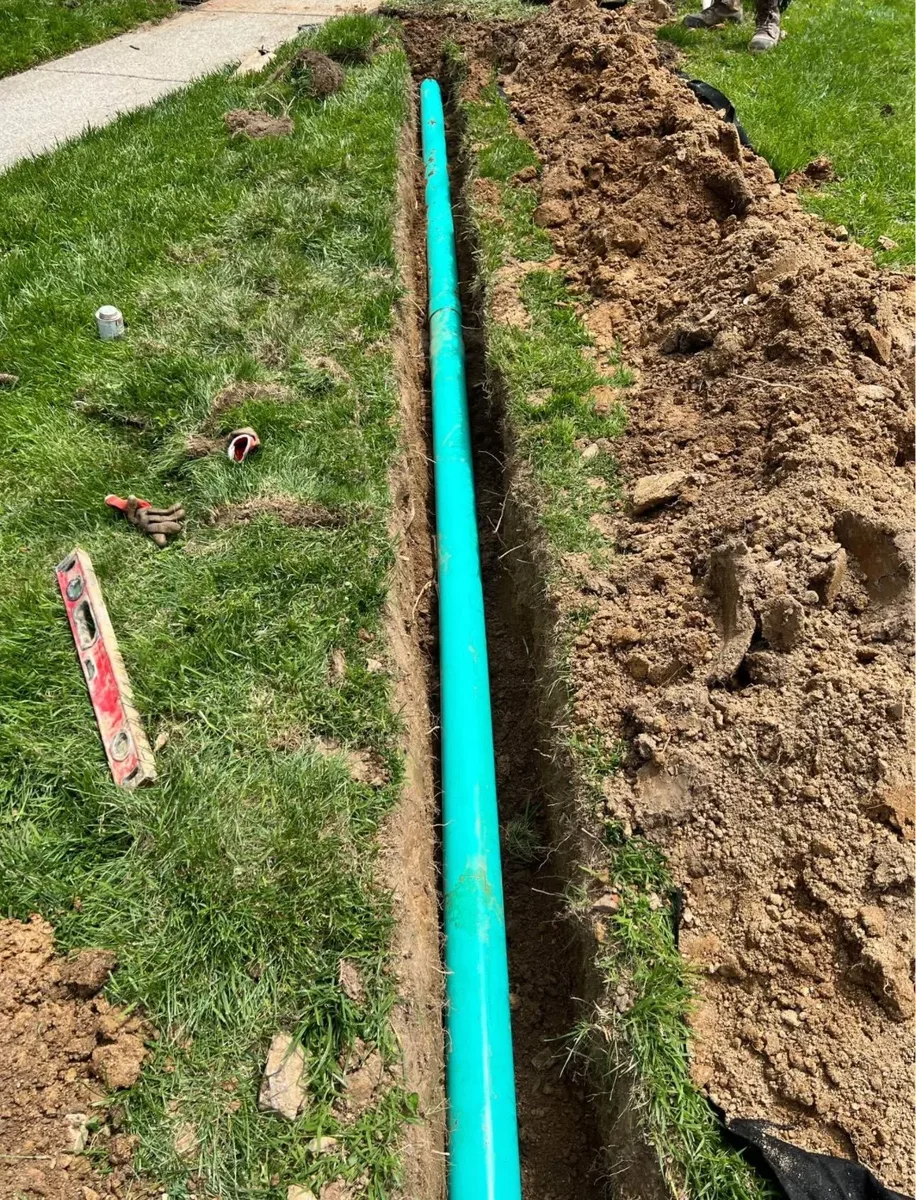
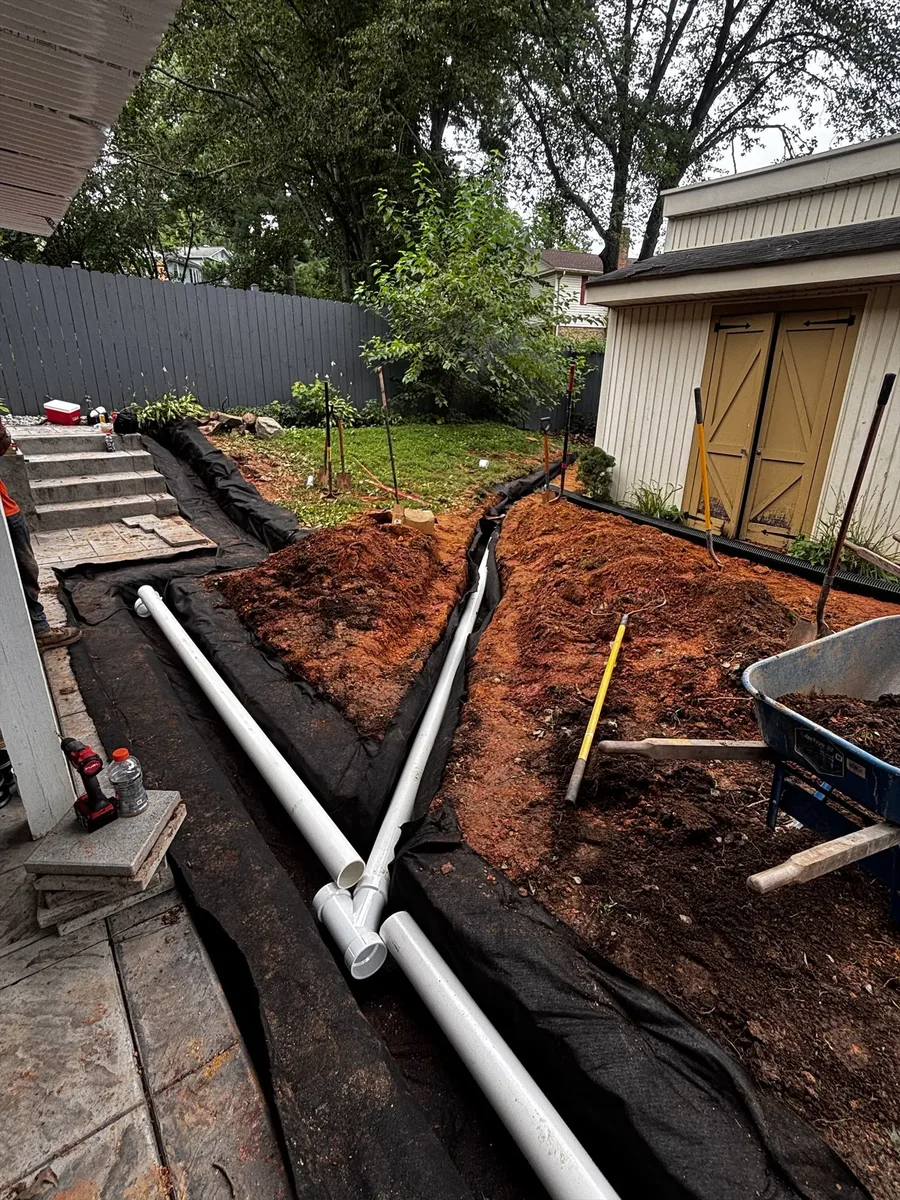
Yard drainage is the umbrella term for everything that moves surface water off your property in a controlled way. That includes grading, swales, catch basins, buried downspout extensions, French drains where appropriate, and discharge to a location where the water can't come back and cause damage. The right system for your yard depends entirely on what water is doing right now — which is why every project starts with a site walk, preferably when it's raining.
The signs you need yard drainage
- Water pooling after rain. Anywhere a puddle lasts more than 24 hours is a problem zone.
- Mushy spots in the lawn. Perpetually soggy turf kills grass and attracts mosquitoes.
- Erosion gullies. Even small ones. They tell you exactly where concentrated flow is going.
- Mulch washing out. If the mulch keeps moving, the water is moving the wrong way.
- Wet basements after rain. Almost always a surface drainage issue, not a foundation issue.
- Standing water against the house. The single most damaging pattern — fix this first, always.
Our design approach
We start at the roof and work down. Roof runoff is the largest single source of water near most homes — fix downspouts first, grade second, subsurface drainage third. That sequence matters because subsurface drainage is expensive and mostly unnecessary if the surface grading is correct.
Then we size the system for the design storm, not the average storm. A drainage system that handles a typical Tuesday afternoon shower but fails in the August storm that dumps three inches in an hour is worse than no system at all — it teaches the homeowner to trust a solution that will fail at the worst possible time.
What separates good drainage from cheap drainage
Pipe sizing, slope, fabric, access, and discharge point. Every cheap yard drainage install skips at least one of those. Undersized pipe chokes in heavy rain. Insufficient slope lets silt settle out and clog the system. Missing filter fabric means the gravel silts up. No access means no maintenance. Discharging into a neighbor's yard means you'll be in a lawsuit in three years. We handle each one because skipping any of them turns a 30-year system into a 3-year one.